SC25 is over, and we left our mark
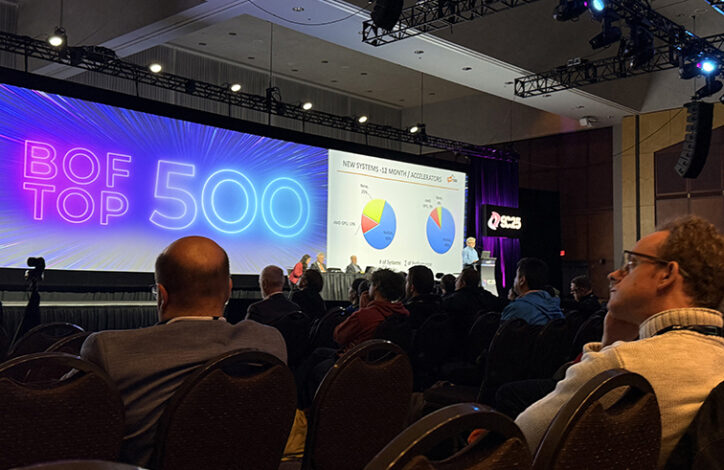
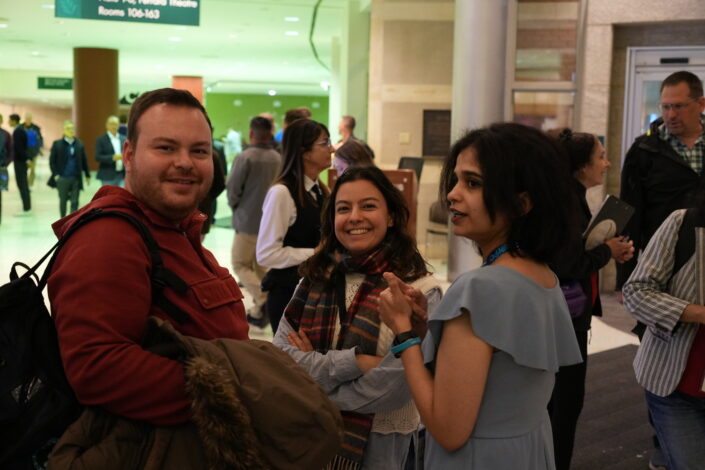
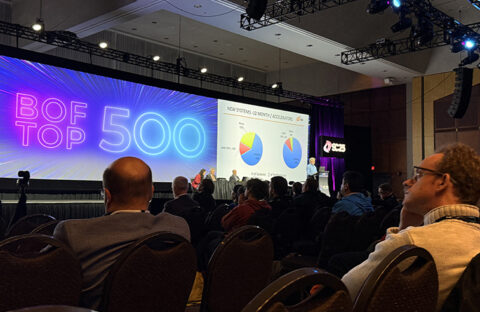
This year’s Supercomputing Conference (SC25), the largest and best-known event for High-Performance Computing (HPC) worldwide, took place from November 16–21 in St. Louis, Missouri. Under the motto “HPC Ignites,” the global HPC community once again gathered for a week of groundbreaking research, technical innovation, and collaboration. With 16,500 attendees, 560 exhibitors, and the fastest network, SCinet—this time with a peak bandwidth of 13.7 TBytes/s—SC25 was one of the largest conference of its kind.
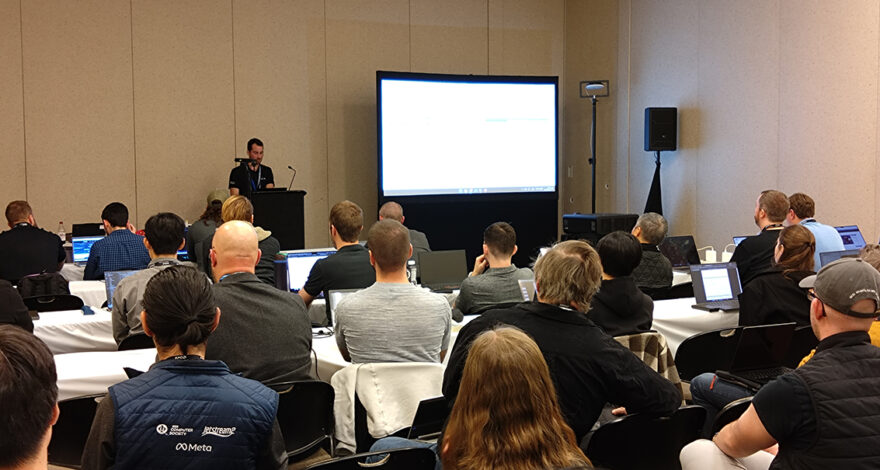
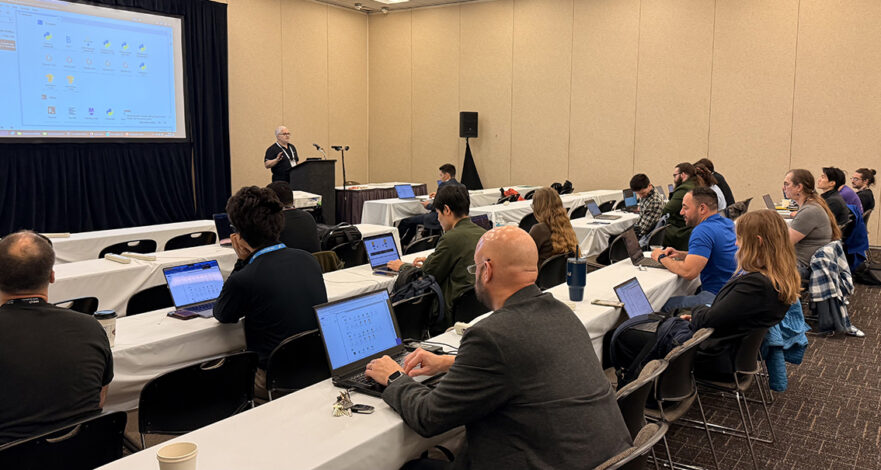
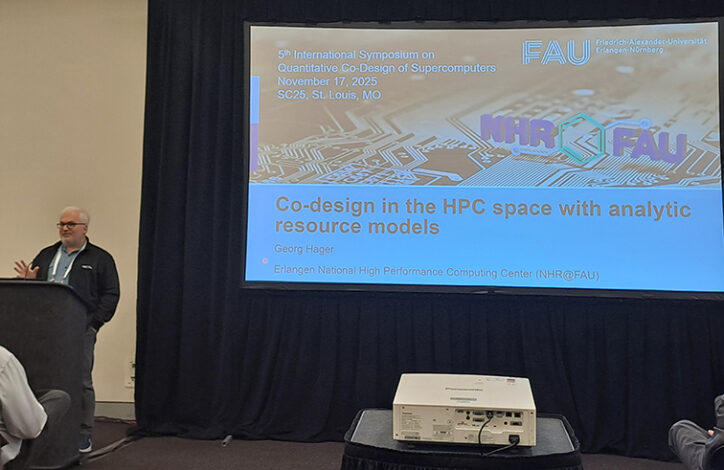
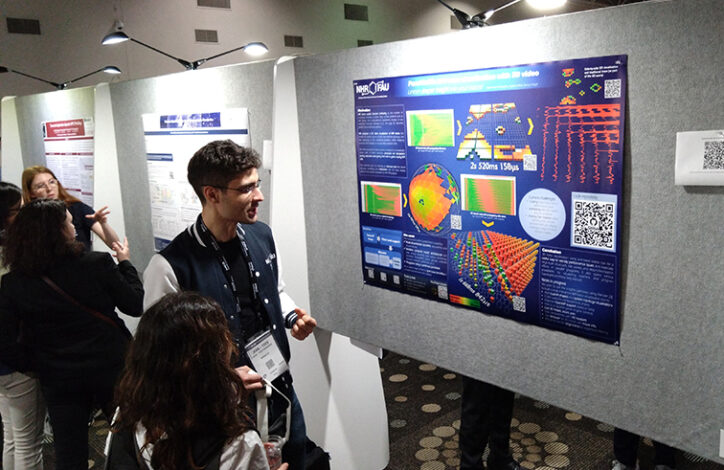
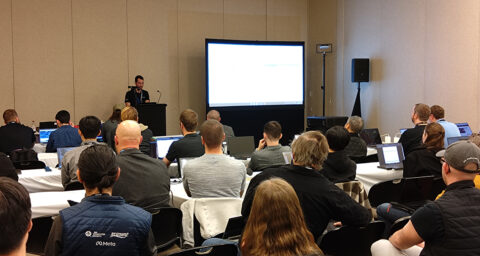
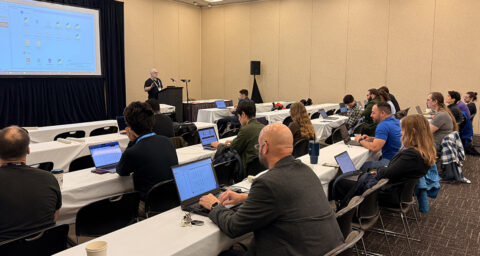
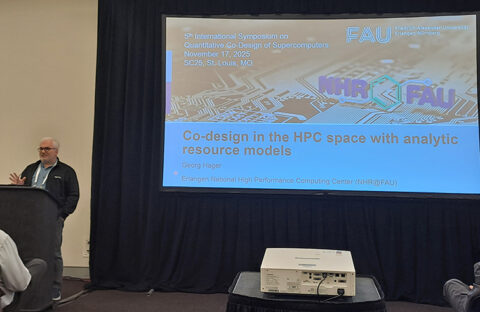
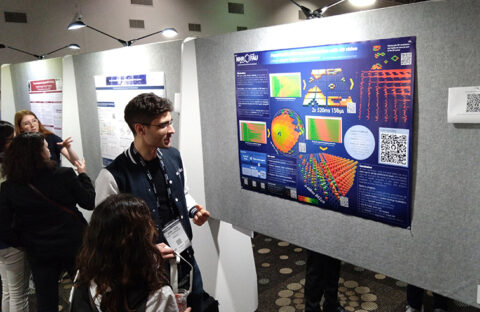
NHR@FAU was actively involved in the conference with an impressive lineup of contributions: Jan Laukemann and Georg Hager offered the half-day tutorial “Core-Level Performance Engineering,” focusing on code execution and optimization at the CPU core level. Georg Hager and Christie Alappat, together with Hartwig Anzt (TU Munich) and Jonas Thies (TU Delft), presented “Performance Engineering for Sparse Linear Solvers,” explaining the basics of performance analysis and optimization of linear solvers for sparse problems. Both tutorials included hands-on exercises. Georg Hager presented his view on resource-based performance modeling at the 5th International Symposium for the Quantitative Co-Design of Supercomputers, and JeanYves Verhaeghe’s research poster “ParaViz3D: MPI Trace Visualization with 3D Video“ sparked massive interest at the poster reception.
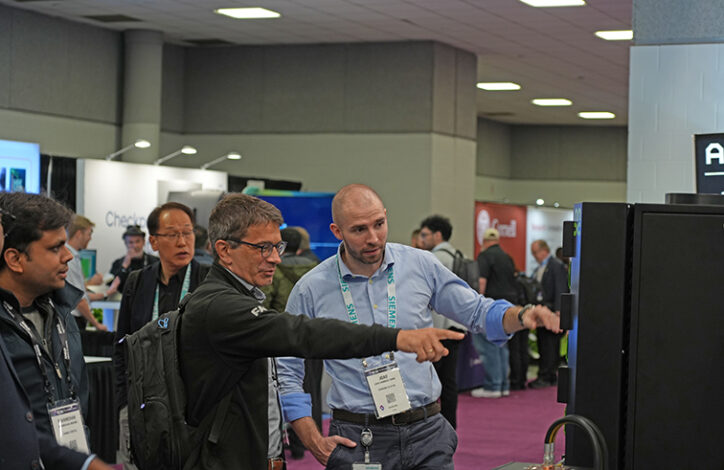
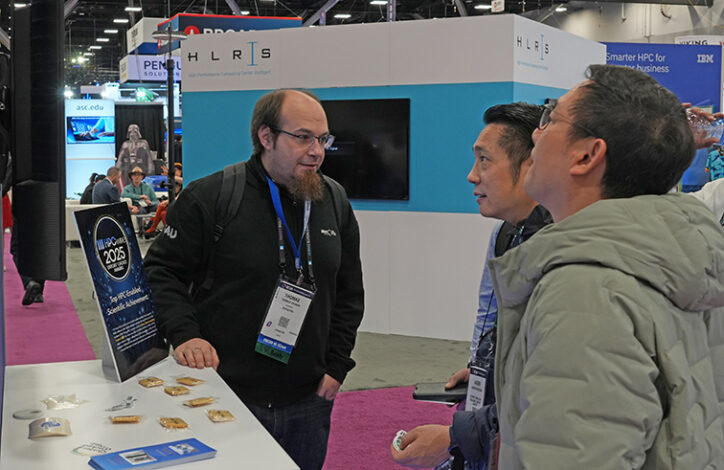
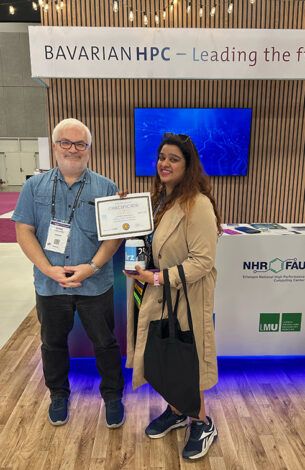
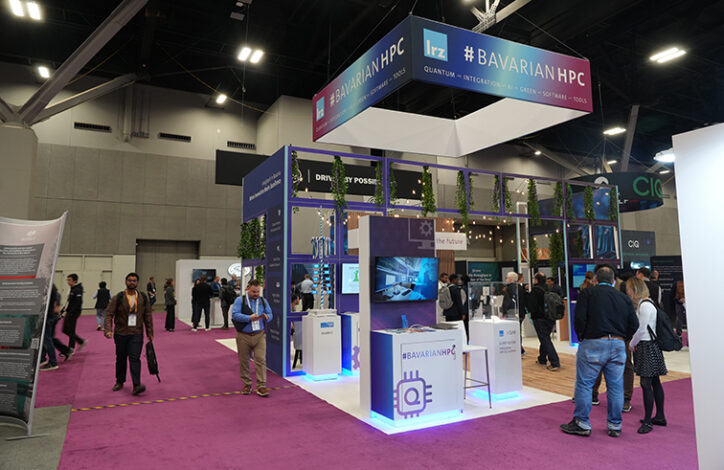
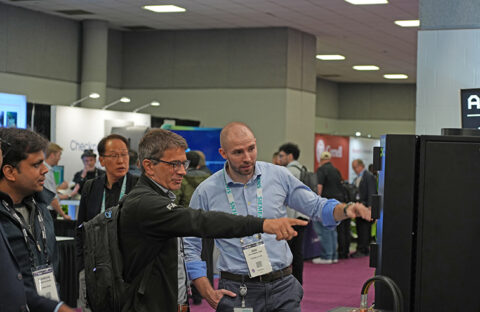
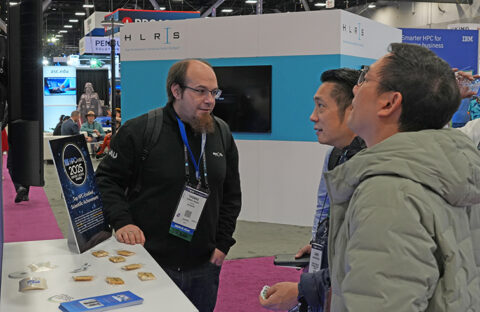
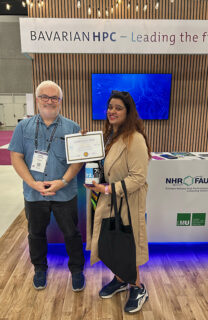
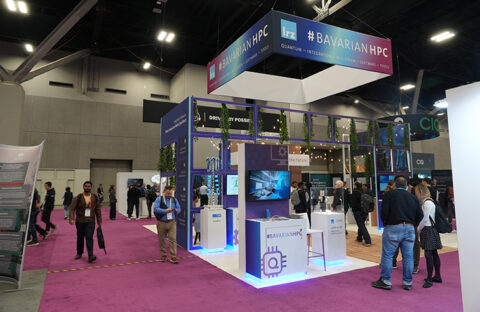
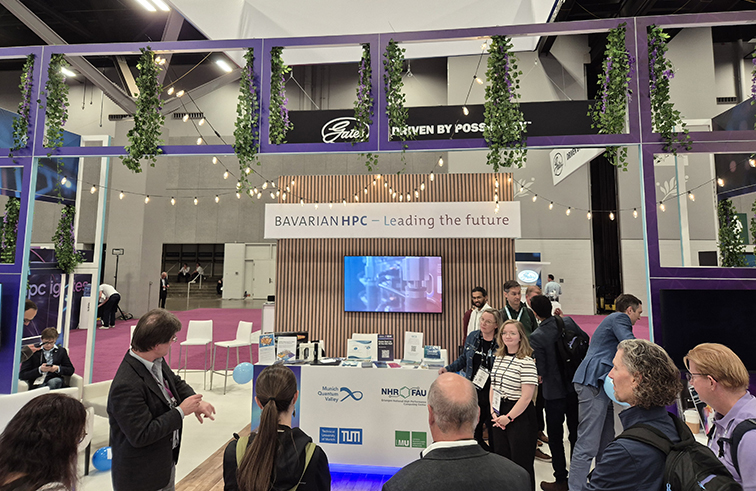
At the joint “Bavarian Supercomputing” booth (#535)”—shared between LRZ, LMU, TUM, and the Munich Quantum Valley—NHR@FAU showcased its software projects: the ClusterCockpit Monitoring Framework, the OSACA Performance Modeling Tool, and primarily the LIKWID Tool Suite, presented by its main developer, Thomas Gruber. An HPC and computer history quiz sponsored by Finnish quantum computer company IQM provided additional engagement.
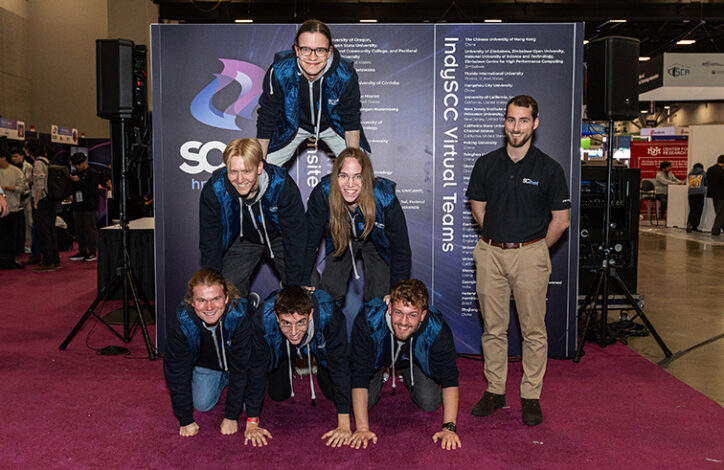
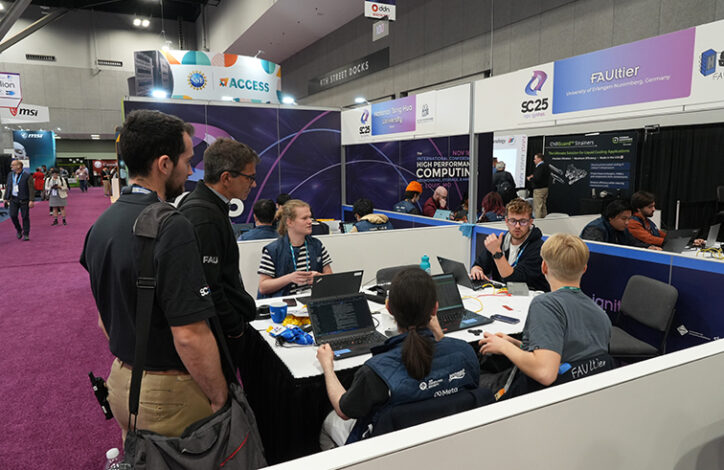
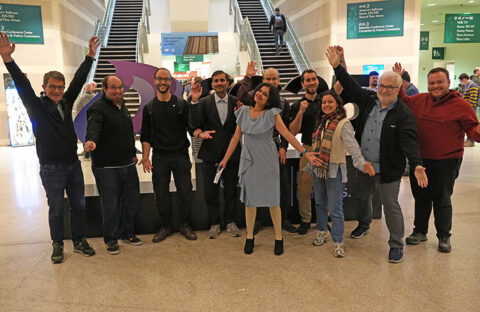
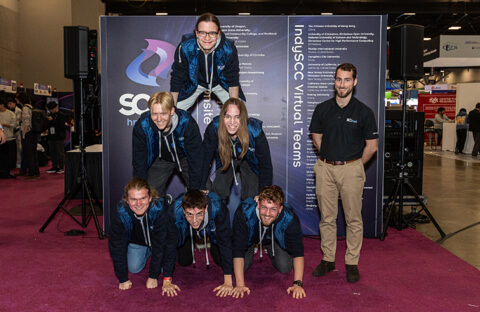
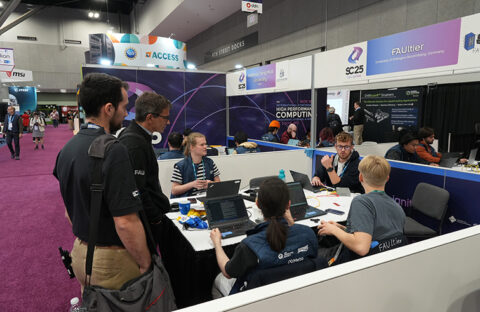
The FAU undergraduate student team “FAUltier” participated in the IndySCC remote competition for the first time. They had been preparing in the months before the event, optimizing applications and getting their HPC skills beefed up. On the show floor, they dove into an intense, 48-hour benchmarking and tuning marathon. In the end, Zhejiang University from China took home the trophy, but nothing can take away the experience the FAUltier team gathered during the largest event the HPC community has to offer!
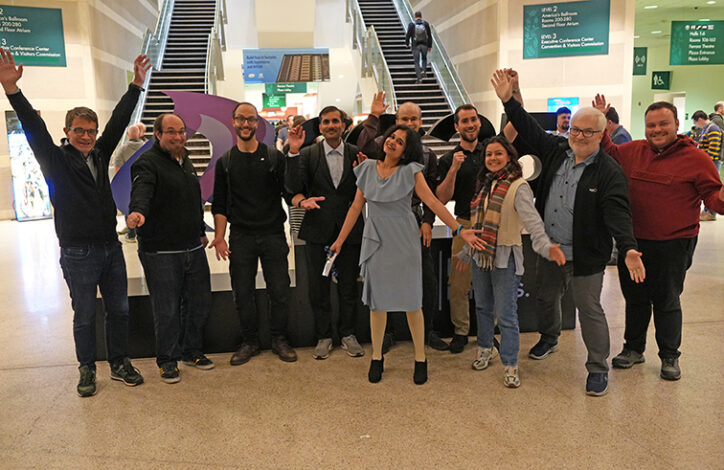
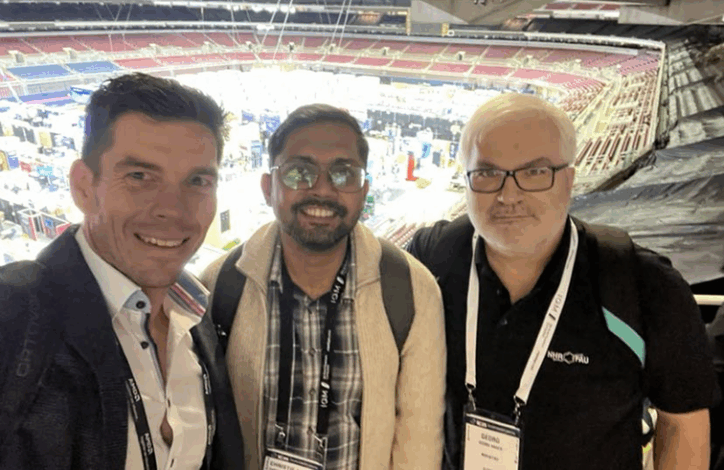
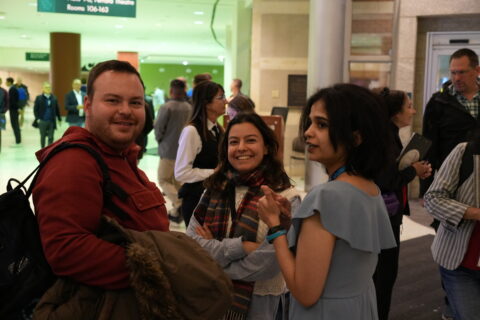
As always, SC25 was an impressive event that provided opportunities for new contacts, idea exchange, and great impressions.